
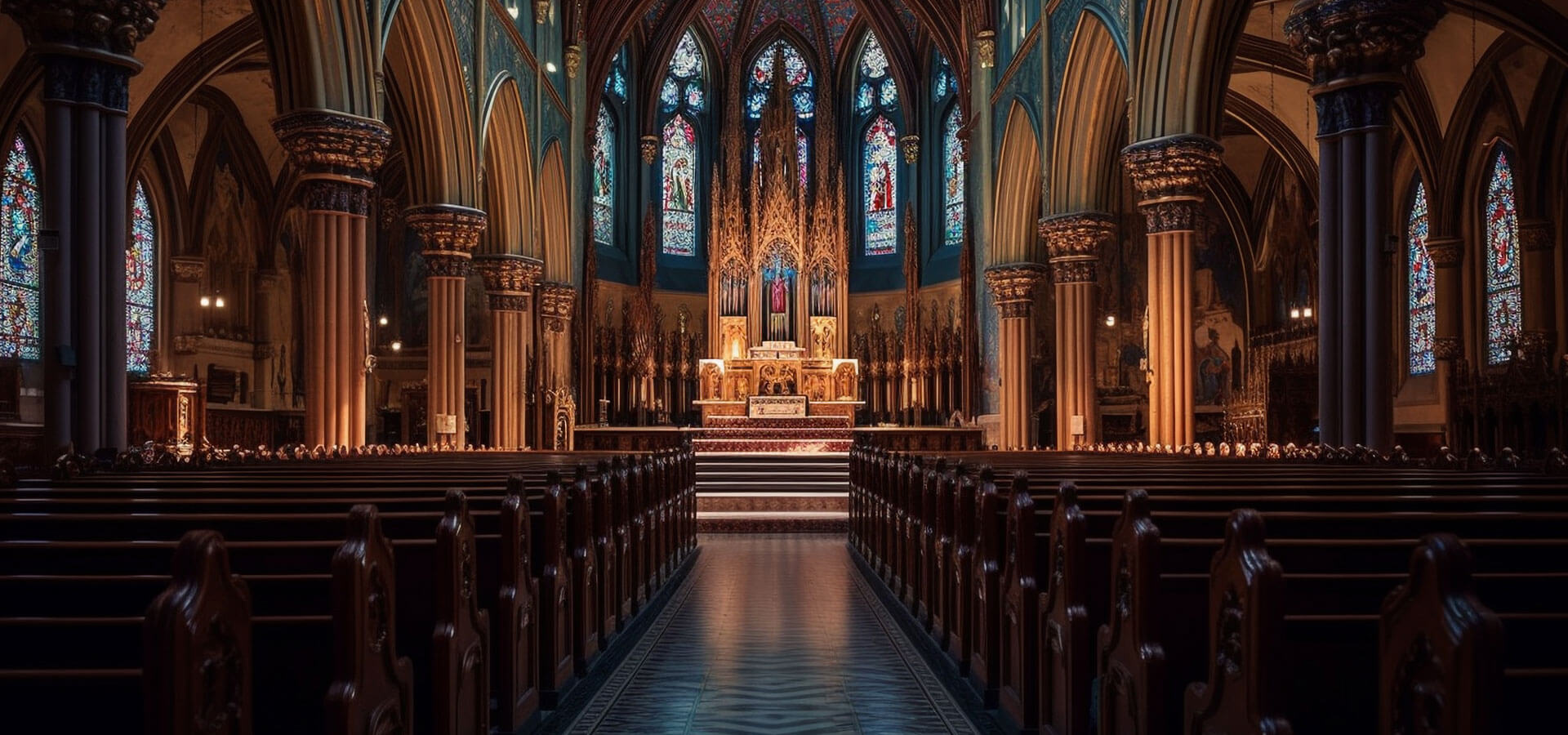
Evening Prayers for Catholics: A Peaceful Way to End the Day
Evening prayer is a simple way for Catholics to pause, give thanks, and place the day in God’s hands. Whether prayed alone, with family, or as part of the Church’s liturgy, it can bring a moment of peace before sleep and help make room for reflection, forgiveness, and hope.
There is no single required formula for a personal evening prayer. Some people follow the Church’s Liturgy of the Hours, while others pray familiar prayers, read a short passage from Scripture, or speak to God in their own words. The important thing is to approach prayer with a sincere and open heart.
What Is Catholic Evening Prayer?
In the Catholic tradition, evening prayer may refer to a personal time of prayer at the end of the day or to one of the Church’s set hours of prayer. The Liturgy of the Hours is the Church’s daily cycle of prayer, also called the Divine Office. Its final prayer of the day is called Night Prayer or Compline.
Compline includes psalms, a brief reading from Scripture, a nighttime canticle, and a concluding prayer. It is prayed by clergy and religious communities, and lay Catholics may pray it too. Many people also use a shorter, informal routine that fits their circumstances.
A Simple Catholic Evening Prayer Routine
A short routine can make evening prayer easier to practice regularly. Consider setting aside a few quiet minutes and following these steps:
- Become still. Take a slow breath and make the Sign of the Cross.
- Give thanks. Recall one or two moments from the day for which you are grateful.
- Reflect honestly. Consider where you acted with love and where you could have done better.
- Ask for mercy and help. Bring your concerns, regrets, and hopes to God.
- Pray for others. Remember family, friends, people in need, and anyone who is suffering.
- End with a familiar prayer. You might pray the Our Father, a Hail Mary, or a Glory Be.
A Traditional Evening Prayer
This prayer can be used as written or adapted into your own words:
Lord, thank you for the blessings of this day. Forgive me for the times I have failed to love you and my neighbor. Bless my family, my friends, and all those who are in need. Give me peace as I rest, and guide me to live tomorrow with faith, patience, and kindness. I place myself and all those I love in your care. Amen.
Traditional Prayers for the End of the Day
Many Catholics include one or more familiar prayers in their evening devotion. These traditional prayers can offer comforting words when it is difficult to know what to say.
The Our Father
Our Father, who art in heaven,
hallowed be thy name;
thy kingdom come;
thy will be done
on earth as it is in heaven.
Give us this day our daily bread,
and forgive us our trespasses,
as we forgive those who trespass against us;
and lead us not into temptation,
but deliver us from evil. Amen.
The Hail Mary
Hail Mary, full of grace, the Lord is with thee.
Blessed art thou among women,
and blessed is the fruit of thy womb, Jesus.
Holy Mary, Mother of God,
pray for us sinners,
now and at the hour of our death. Amen.
The Glory Be
Glory be to the Father, and to the Son, and to the Holy Spirit,
as it was in the beginning, is now, and ever shall be,
world without end. Amen.
Making an Examination of Conscience
An examination of conscience is a quiet review of the day in the presence of God. It is not meant to lead to discouragement or harsh self-judgment. Rather, it helps a person recognize God’s gifts, take responsibility for mistakes, and consider how to grow in love.
You might reflect on questions such as:
- When did I notice goodness or receive help today?
- Did I treat others with patience, respect, and compassion?
- Is there someone I need to forgive or ask forgiveness from?
- What is one thing I can do differently tomorrow?
If reflection brings to mind serious sin, Catholics may bring it to the Sacrament of Reconciliation. A nightly examination does not replace confession, but it can help prepare for it and encourage an ongoing life of conversion.
Praying Night Prayer as a Family
Families can make evening prayer a gentle part of their bedtime routine. A parent or another family member might invite everyone to name something they are thankful for and someone they would like to pray for. The family can then pray the Our Father together, read a short Bible passage, or offer a simple prayer for protection and peace.
Children do not need lengthy or elaborate prayers. A few sincere words, repeated consistently, can help them learn that prayer is a natural way to turn to God in every part of life.
Finding a Sustainable Prayer Rhythm
Evening prayer does not need to be long to be meaningful. If the day has been busy, a brief prayer of gratitude or a few moments of silence can be enough to begin. On quieter evenings, you may wish to pray Compline, read a psalm, or spend more time in reflection.
Try choosing a regular time and place, such as beside your bed or in a quiet corner of your home. If you miss a night, simply begin again the next day. A steady, unhurried practice is more helpful than treating prayer as another task to complete perfectly.
Ending the Day in Trust
Catholic evening prayer is an invitation to close the day with gratitude, humility, and trust in God. It offers space to remember blessings, seek forgiveness, pray for others, and release worries that cannot be solved before morning. Whether through Compline, traditional prayers, or a few personal words, the end of the day can become a meaningful moment of connection with God.
8 Essential Tips for a Meaningful Catholic Evening Prayer Routine
- Set aside a quiet time before bed.
- Begin with the Sign of the Cross.
- Thank God for the day’s blessings.
- Examine your conscience gently.
- Ask forgiveness and resolve to do better.
- Pray for loved ones and those in need.
- Read a short passage from Scripture.
- End with the Our Father or a familiar prayer.
Set aside a quiet time before bed.
Set aside a quiet time before bed to slow down, turn your attention to God, and reflect on the day. Even a few peaceful minutes can help you give thanks, ask forgiveness, pray for loved ones, and place your worries in God’s hands. Choose a time and place that work for you, and let this simple habit become a calming part of your nightly routine.
Begin with the Sign of the Cross.
Begin your Catholic evening prayer with the Sign of the Cross: “In the name of the Father, and of the Son, and of the Holy Spirit. Amen.” This familiar gesture helps you pause, quiet your thoughts, and place yourself in God’s presence at the end of the day. Praying it slowly and intentionally can mark a gentle transition from daily activities to a moment of reflection, gratitude, and trust.
Thank God for the day’s blessings.
As part of your Catholic evening prayer, take a moment to thank God for the blessings of the day. They may be significant moments or simple gifts, such as a kind word, time with family, strength during a challenge, or the beauty of creation. Naming these blessings can help you end the day with gratitude and recognize God’s presence in both ordinary moments and unexpected joys.
Examine your conscience gently.
Examine your conscience gently by looking back on the day with honesty and compassion, rather than judging yourself harshly. Notice moments when you acted with love, give thanks for the good you received, and acknowledge where you could have made a better choice. Ask God for forgiveness and guidance, then consider one small way to grow tomorrow. This quiet reflection is not about dwelling on mistakes; it is an opportunity to learn, receive God’s mercy, and end the day in peace.
Ask forgiveness and resolve to do better.
As you end the day, take a moment to reflect on your choices and ask God for forgiveness when you have fallen short in thought, word, or action. Be honest without being harsh with yourself: Catholic prayer is an opportunity to receive God’s mercy and begin again. Consider what you can learn from the day, then resolve to make a specific effort tomorrow—perhaps showing more patience, offering help, or speaking with greater kindness. Conclude by trusting in God’s grace to guide you.
Pray for loved ones and those in need.
As you end the day, take a moment to pray for loved ones and those in need. Remember family and friends, people who are sick or grieving, and anyone facing hardship, asking God to comfort, strengthen, and guide them. This simple practice turns your attention beyond your own concerns and helps you close the day with compassion, gratitude, and trust in God’s care.
Read a short passage from Scripture.
Reading a short passage from Scripture can bring focus and comfort to your Catholic evening prayer. Choose a few verses from the Gospels, a psalm, or the day’s readings, and take a moment to consider what they reveal about God’s love and how you might carry that message into tomorrow. There’s no need to read a lot—even a brief passage, read slowly and prayerfully, can help you end the day with gratitude, reflection, and peace.
End with the Our Father or a familiar prayer.
Ending your evening prayer with the Our Father or another familiar prayer can bring a comforting sense of peace and closure to the day. These well-loved words help you focus on God, remember the needs of others, and entrust tomorrow to His care. Whether you pray alone or with family, a familiar prayer offers a simple, steady way to end the day with faith.


Leave a Reply